About 3 Nitrophthalonitrile
Supported by vast business knowledge, we are indulged in manufacturing and supplying of 3 Nitrophthalonitrile. It is formulated using superior grade chemicals by our experts in our well established formulating unit. Our clients can avail this range of 3 Nitrophthalonitrile from us at reasonable rate.
PRODUCT : 3-NITROPHTHALONITRILE
CAS NUMBER : 51762-67-5
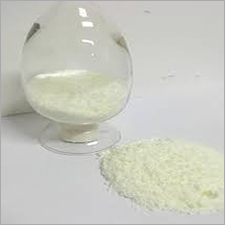
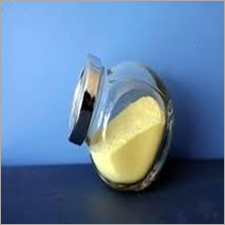
DESCRIPTION : OFFWHITE TO YELLOWISH DRY POWDER
EMPIRICAL FORMULA : C8H3N3O2
MOL.WT. : 173 gms/mole
ASSAY BY TITRATION : NLT 98%
ASSAY BY HPLC : NLT 98%
MELTING POINT : 1600C-1650C.
WATER BY KF : 1.0%(NMT)
High Standards for Identification and Quality3-Nitrophthalonitrile is carefully analyzed using IR, NMR, HPLC, and GC methods to guarantee authenticity and purity. Each batch undergoes strict quality control, ensuring lead content does not exceed 0.001%. The customizable particle size and industrial-grade standards address diverse customer requirements in specialty chemical manufacturing, pharmaceuticals, and pigment production.
Proper Storage and Handling for SafetyTo maintain product integrity and shelf life, 3-Nitrophthalonitrile should be stored tightly sealed in a cool, dry environment. It is packaged in 25 kg fiber drums or as per customer needs. Users are cautioned to handle the compound with care due to its toxicity; protective equipment is recommended during usage and processing.
Versatile Applications in Chemical IndustryThis compound is valued as a raw material in synthesizing phthalocyanine dyes, pigments, and pharmaceuticals. Its reliable chemical properties and stability support complex industrial processes, facilitating the production of high-performance materials in global markets. With a consistent appearance, melting point, and customizable specifications, it remains a preferred choice for manufacturers and exporters.
FAQ's of 3 Nitrophthalonitrile:
Q: How should 3-Nitrophthalonitrile be stored for maximum shelf life?
A: Store 3-Nitrophthalonitrile tightly sealed in a cool, dry place. Proper storage conditions help preserve its stability and guarantee its 24-month shelf life. Avoid exposure to moisture and strong reducing agents to maintain product quality.
Q: What methods are used to identify 3-Nitrophthalonitrile?
A: The compound is identified through advanced analytical techniques such as infrared spectroscopy (IR), nuclear magnetic resonance (NMR), high-performance liquid chromatography (HPLC), and gas chromatography (GC). These methods ensure accurate characterization and verification of purity.
Q: When is protective equipment necessary while handling 3-Nitrophthalonitrile?
A: It is necessary to use protective equipment such as gloves, masks, and eye protection whenever handling the product. Its toxicity requires careful management to avoid ingestion or inhalation, minimizing health risks in the workplace.
Q: Where is 3-Nitrophthalonitrile primarily used?
A: 3-Nitrophthalonitrile serves as an intermediate in the chemical, dye, pigment, and pharmaceutical industries. Its versatile chemical structure supports the synthesis of phthalocyanine dyes, specialty pigments, and key pharmaceutical ingredients.
Q: What are the main benefits of using 3-Nitrophthalonitrile in industrial applications?
A: The compound offers high purity, reliable stability, customizable specifications, and proven effectiveness in synthesis processes. It enhances yield efficiency and performance of finished products in the pharmaceutical and pigment sectors.
Q: How can customers request customized particle size or packaging?
A: Customers can request custom particle size or packaging options directly when placing their order. The product is typically delivered in 25 kg fiber drums but alternative packaging is available upon request to meet specific process or storage needs.
Q: What precautions should be followed during processing of 3-Nitrophthalonitrile?
A: Processing should be conducted in well-ventilated areas with proper safety protocols. Avoid contact with strong reducing agents and ensure all standard handling practices for toxic materials are observed to prevent exposure risks and maintain operational safety.





 Send Inquiry

